Independent Science Fiction and Speculative Culture Newspaper

Alienaward Press

Buenos Aires · Independently edited · Weekly columns and dispatches

Send us the version you think got it wrong

Adaptation arguments are usually better in writing than in a comment thread, and we read every correction that comes in. If a translation note missed a shift in meaning, or a piece on a short story turned into a film skipped a decision you know something about, tell the editor directly. The contact page holds the only form on the site, and it goes straight to the desk.

Adaptation, seen up close

Three working examples from the newsroom's adaptation coverage, where a speculative work changes shape as it crosses into another medium.

Alienaward Press: adaptations

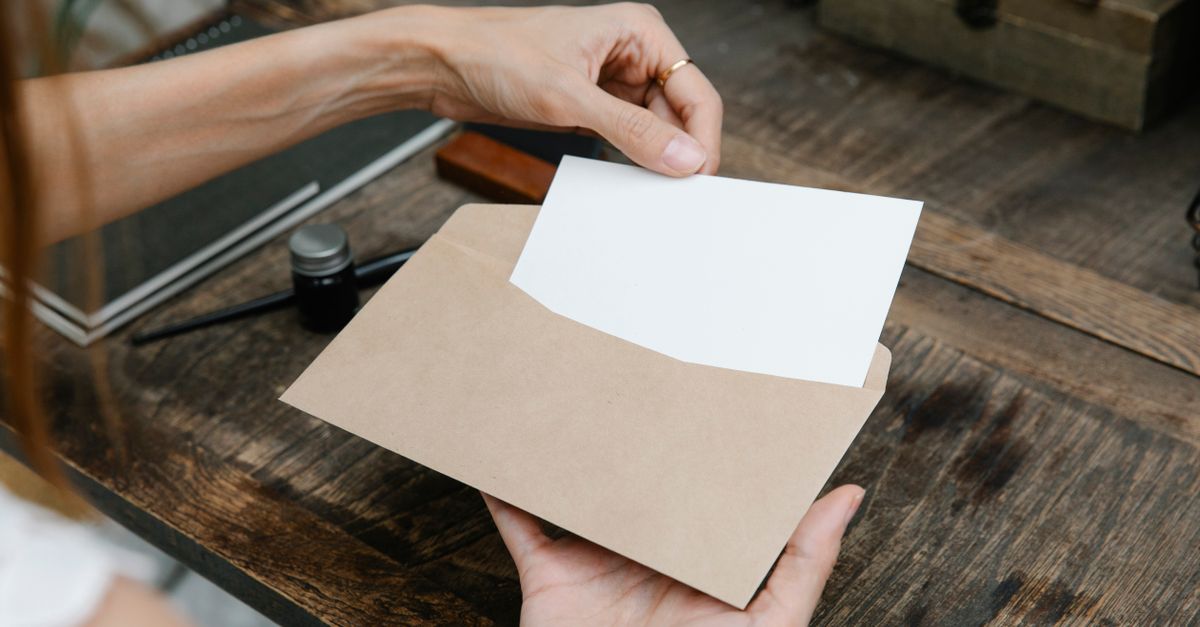
Prose into film

When a short story becomes a feature, pacing gets rewritten first. What reads as a slow reveal on the page often needs a scene, a face, and a room before the second act. The reporting follows directors and writers through those early cuts.

Alienaward Press: adaptations

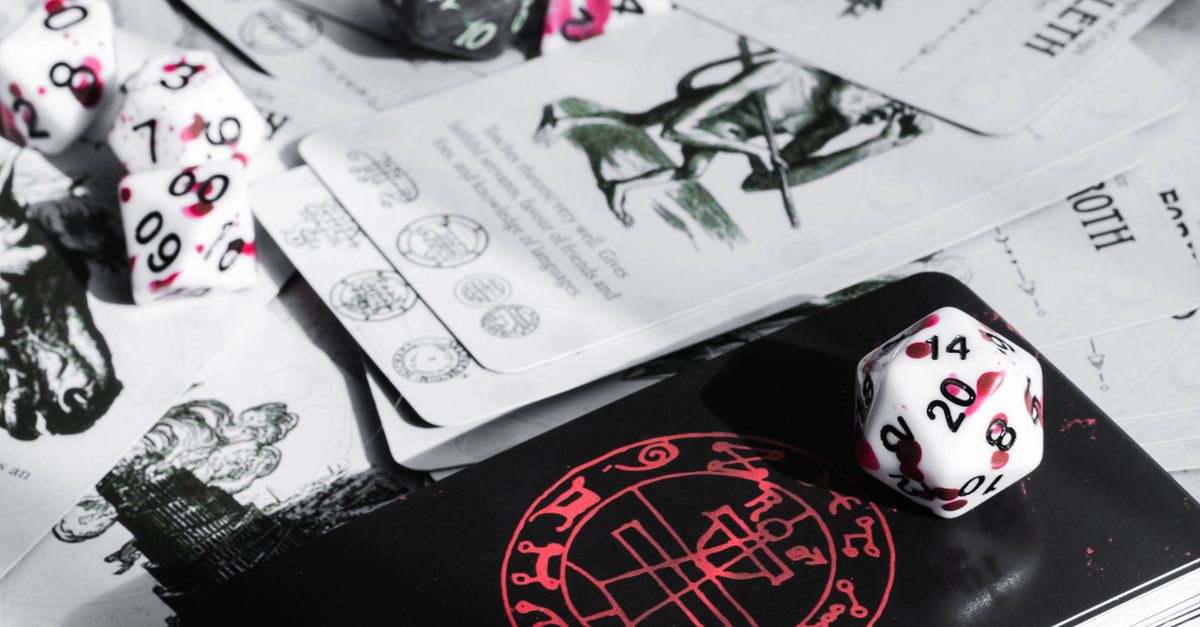
Novel into tabletop

Game designers borrow a world's pressures, not its plot. A novel's factions, scarcities, and unspoken rules can become a rulebook that leaves the map deliberately unfinished, and the players fill in the rest at the table.

Alienaward Press: adaptations

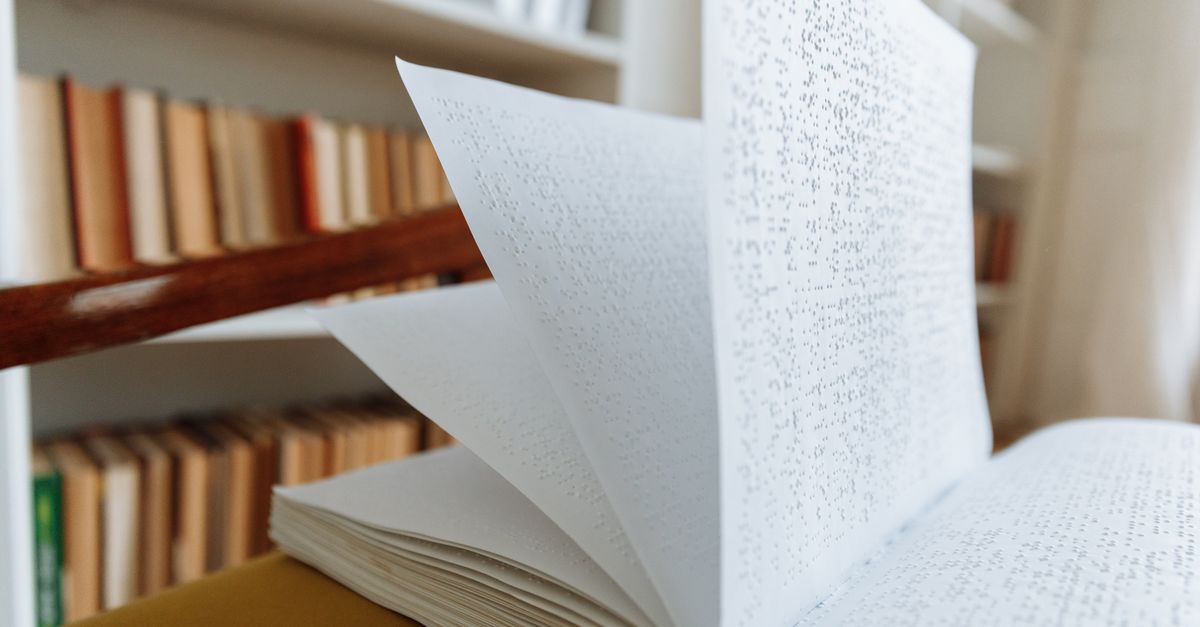
Spanish into English

Translation is its own adaptation. Rhythm, idiom, and the amount of context a sentence carries all shift between languages, and the notes that accompany a translated edition often say more about the original than the translation itself.

What you get when a story changes shape

Adaptation is rarely a clean transfer. A short story becomes a film treatment, a novel becomes a tabletop setting, a Spanish paragraph becomes an English one. On this page we collect the practical outcomes that come from following those moves closely, rather than treating them as trivia.

Decisions you can see, not just results

We trace pacing cuts, structural rearrangements, and image choices back to the moment an editor or director made them. You read the reasoning, not only the finished version.

Translation notes that admit what shifts

When a work crosses from Spanish into English, some texture stays and some does not. Our notes name the specific losses and gains instead of pretending the move is neutral.

Small-press context behind adapted covers

Cover art often gets redrawn for a new edition. We follow the print runs, zine fair panels, and art direction conversations where those second versions are argued over.

Tabletop settings that borrow from fiction

Game books regularly lift structure from novels and short stories. We look at what designers keep, what they discard, and how that changes what a table can actually do.

Filmmakers and authors on the same page

Interviews pair the person who wrote the original with the person who reworked it, so the disagreements between them stay visible rather than getting smoothed over.
Alienaward Press: adaptations
Adapted editions often arrive with new typesetting, new covers, and a different reading order.

If you want the mechanics behind a single adaptation rather than the pattern across many, the process notes walk through one case from first draft to final print. The full service list shows how adaptation coverage sits alongside criticism, translation notes, and dispatch reporting.

Why our adaptation coverage reads differently

Most writing about adaptation stops at the verdict: better than the book, worse than the film, faithful or not. We are more interested in the decisions underneath. When a short story becomes a small-scale genre film in Buenos Aires, or a novel's geography turns into a tabletop setting, someone had to choose what to keep, what to cut, and what to invent because the new form demanded it. That is the part worth reporting.

We follow the process, not the press release

Our reporters sit in on zine fair panels where adapted cover art gets argued over, and they talk to the translators who decide how much of the original's texture survives a move into English. The result is reporting that shows the work: pacing choices, structural cuts, the moment a screenwriter realizes a first-person narrator has to become someone the camera can actually watch.

Latin American creators stay at the center

Adaptation talk often defaults to whatever an international platform has just released. We keep the focus on Argentine and Latin American work, including small-press editions and regional filmmakers whose versions rarely get a wide release. That means covering projects before they are famous, and staying with them after the festival run ends.

Criticism and reporting in the same section

A long-form essay on how a tabletop rulebook implies a world without describing it sits next to a dispatch from a print run where a cover was redesigned twice. Neither replaces the other. The criticism gives you the argument; the reporting gives you the room where the argument happened.

If you want to see how a piece moves from pitch to publication, the editorial process lays it out step by step, and the coverage list shows which formats we publish each week.

We use cookies to keep the site working and to understand how it is used. You can accept all cookies, reject the optional ones, or review your choices. Read more in our privacy policy.

EN ES