Independent Science Fiction and Speculative Culture Newspaper

Alienaward Press

Buenos Aires · Independently edited · Weekly columns and dispatches

From the archive: columns, dispatches, and translation notes

Six pieces from the current issue, arranged by theme rather than by date. Each one carries a short standfirst and a byline, so you can move from a zine-fair report to a translation note without losing the thread.

Open books stacked on a wooden table with soft daylight across the pages

Translation

Reading the Southern Cone: Five Speculative Novels That Travel Well

By the editors

Translation is not a neutral pipe. Every sentence that moves from Spanish into English makes choices about rhythm, idiom, and how much of the original's texture to keep. This piece looks at five speculative novels from Argentina and Chile that have crossed over in recent years, and asks what their English editions gain and give up. It also touches on the small presses doing most of that work, and why their catalogues matter more than their size suggests.

Read the piece
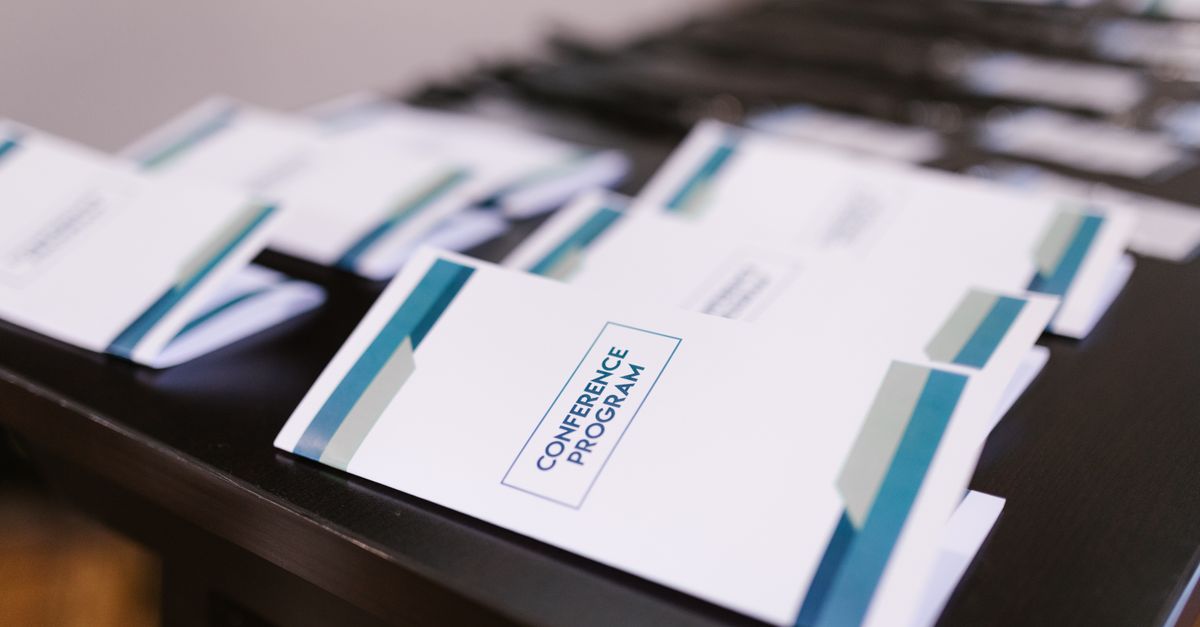
Rows of small printed booklets arranged on a table at an indoor market

Small press

Zine Fairs and the Craft of a Hundred Copies

By the editors

The zine table looks simple from the outside: a stack of stapled booklets, a folding chair, a hand-lettered sign. Behind it sits a set of decisions about paper weight, binding, print quantity, and how many copies to carry home. This piece walks through the numbers that shape a typical small run in Buenos Aires, from the print shop quote to the fair's table fee. It also considers why so many editors keep going despite thin margins, and what a fair actually does for a scene beyond selling copies.

Read the piece
Illustrator's desk with sketches, color swatches, and printed cover drafts

Cover art

Cover Art as Argument: How Genre Covers Frame a Book Before Page One

By the editors

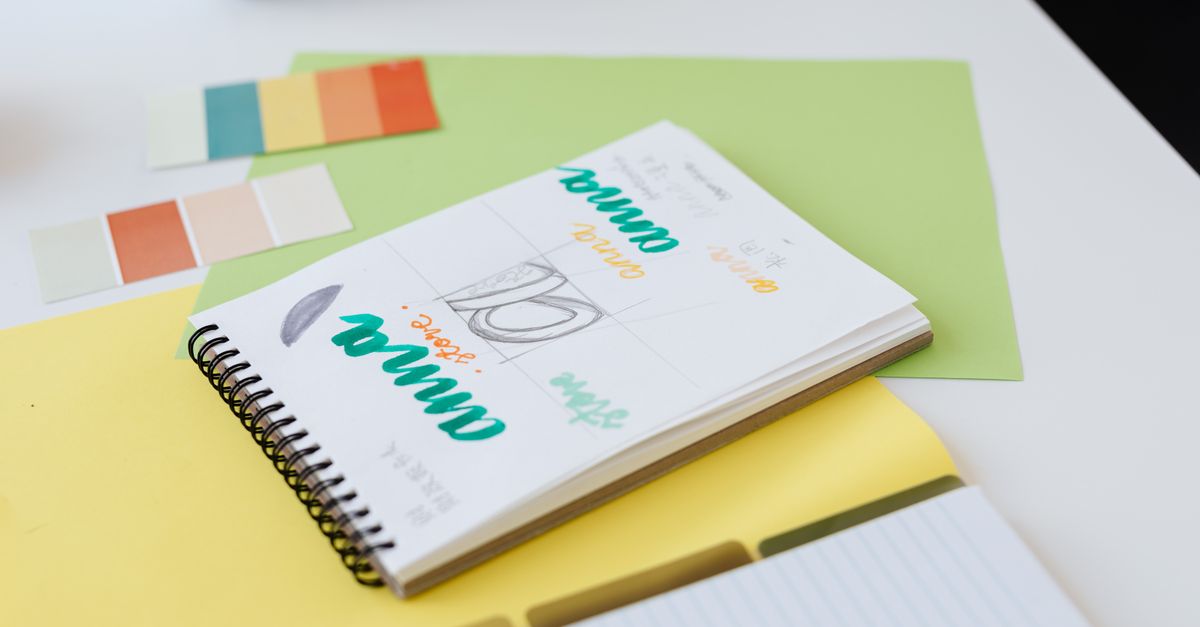
A cover is the first piece of criticism a book receives. It decides the shelf it sits on, the reader it attracts, and the expectation it carries into the first paragraph. This piece gathers notes from three illustrators and two art directors working in the Argentine speculative scene about how they approach a brief. It looks at the tension between genre signals and literary ambition, and at how a single image can push a book toward one audience and away from another.

Read the piece
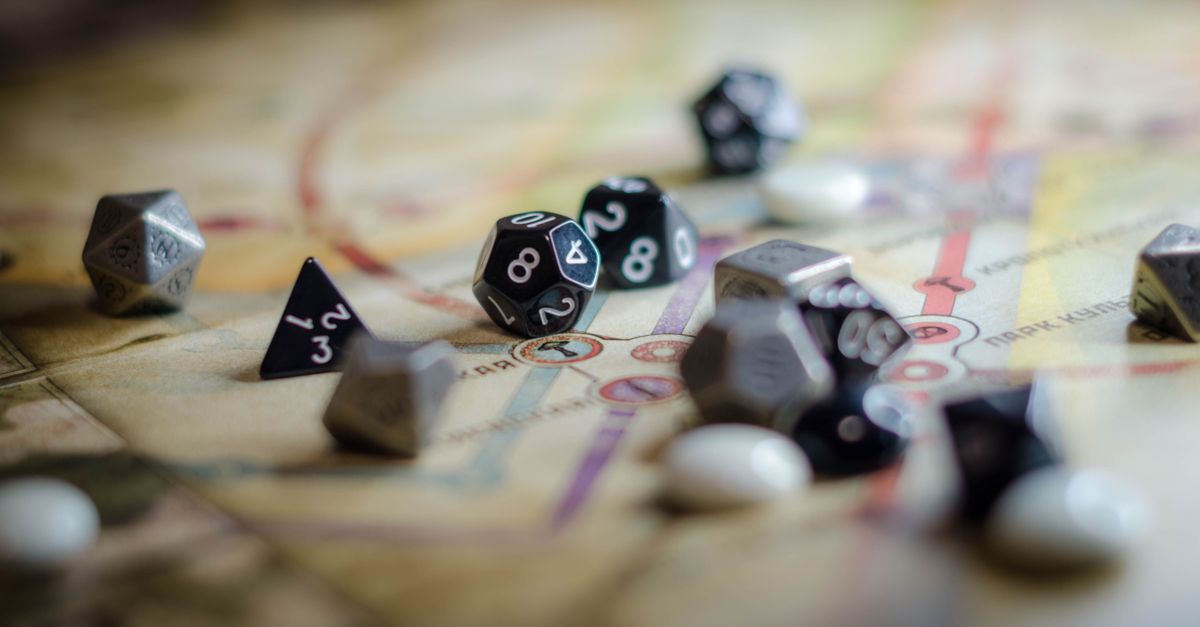
Tabletop game session with dice, character sheets, and hand-drawn maps on a table

Tabletop

Worldbuilding Without a Map: Tabletop Settings That Trust the Players

By the editors

A tabletop setting can be a gazetteer with every river named, or it can be a set of pressures and factions that players fill in as they go. This piece examines a handful of recent indie game books that choose the second approach, and asks what that asks of the designer and what it gives the table. It looks at how rules text can imply a world without describing it, and at the specific craft of writing a setting that stays open without feeling empty.

Read the piece
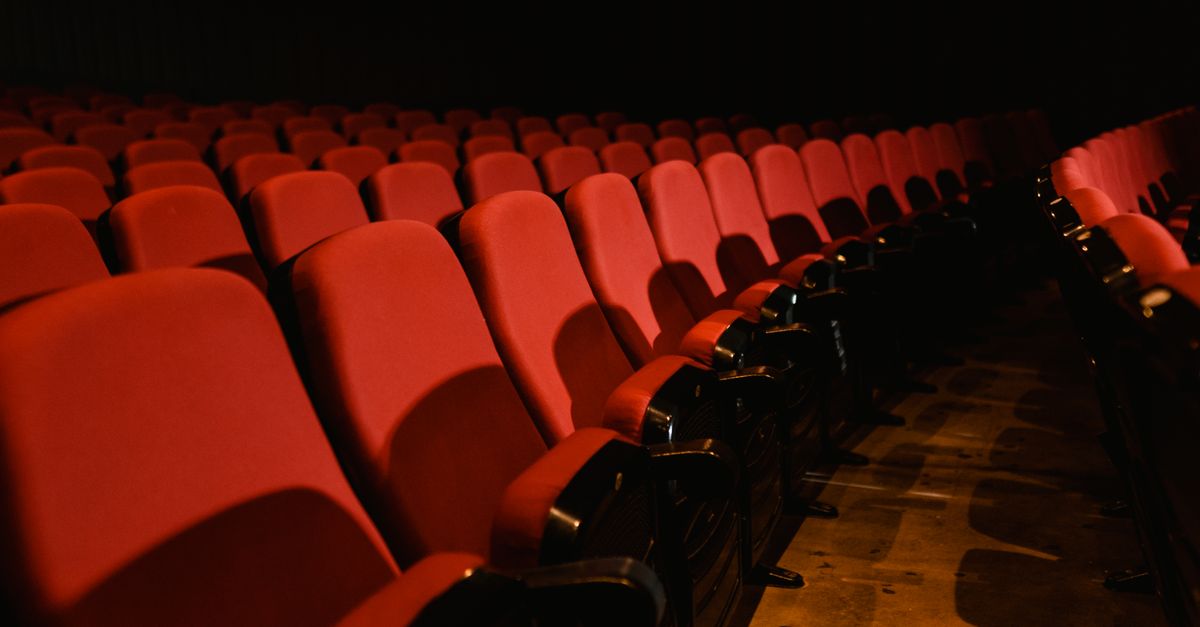
Small independent cinema interior with rows of seats and a lit screen

Genre film

Indie Genre Film in the Streaming Shadow

By the editors

A genre film made on limited production resources in Argentina has a narrow path to an audience. Festivals open doors, but they close quickly; streaming platforms favor volume over curation; and repertory screenings depend on programmers who care. This piece follows a few recent productions through that path, from the first festival submission to the small theatrical run. It also considers what changes when a film finds its viewers through a mailing list or a film club rather than a recommendation engine.

Read the piece
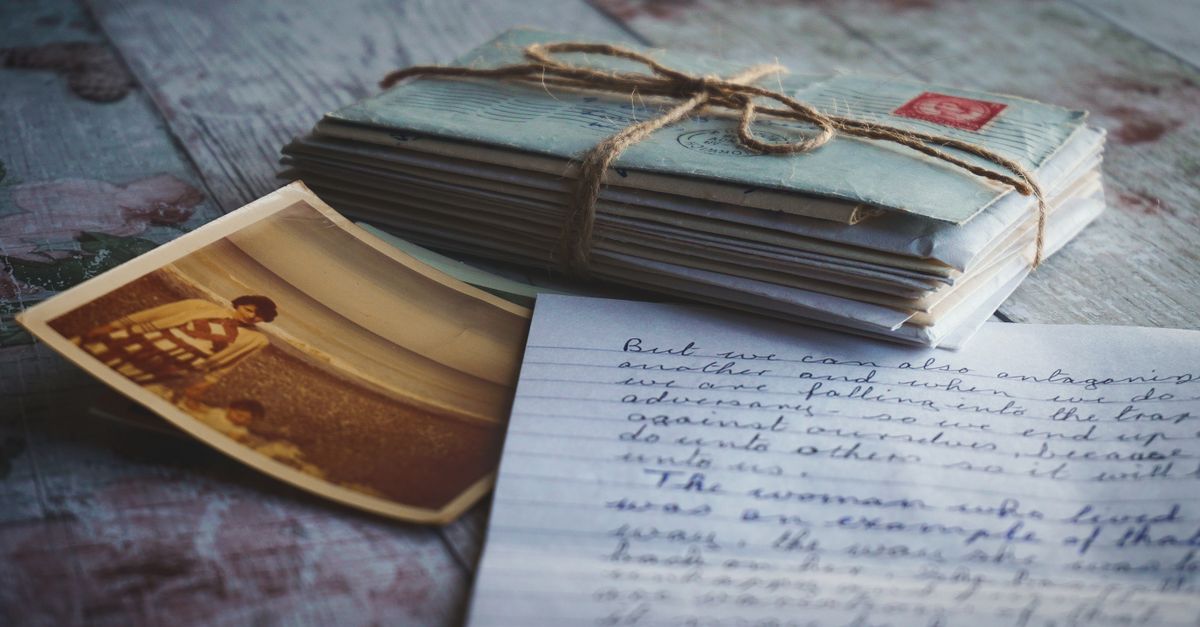
Handwritten letters and envelopes spread across a wooden desk

Letters

The Letters Page: What Readers Argue About When They Argue About Genre

By the editors

The letters section is where a newspaper finds out what its readers actually think. This installment gathers a set of recent letters on three recurring subjects: what belongs in a genre canon, how much a translation should explain, and whether speculative fiction has a duty to be useful. The editorial notes that follow each letter are not verdicts; they are attempts to keep the conversation moving. Some of the disagreements have been running for decades, and that is part of their value.

Read the piece

Send the editor what the archive cannot answer

Corrections, translation notes, and review pitches all reach the same desk. If a byline is wrong or a reprint attribution is missing, say so plainly and name the piece.

Corrections

Quote the line, name the article, and note what the correct version should read. Reprints and translation attributions get priority.

Review pitches

Tell us the book, film, or game book you want to cover and why it belongs in the archive. A short outline is enough to start.

Letters

Disagreements about canon, translation, or what counts as speculative fiction are welcome, and they may run in the letters page.

Write to support@alienaward.com or call +54 11 4536-1679.

Post: Av. Corrientes 1386, C1043 Buenos Aires, Argentina. The contact page holds the form.

Go to the contact page

We use cookies to keep the site working and to understand how it is used. You can accept all cookies, reject the optional ones, or review your choices. Read more in our privacy policy.

EN ES