Weekly columns and essays
Long-form criticism and speculative essays, filed on a regular schedule. This is where arguments about canon, translation, and the shape of the genre tend to surface first.
Open the current issueIndependent Science Fiction and Speculative Culture Newspaper
Alienaward PressBuenos Aires · Independently edited · Weekly columns and dispatches
The paper publishes in a few recurring formats, and each one asks something different from the reader. Some run weekly, some arrive when a dispatch is ready. None of them require an account.
Long-form criticism and speculative essays, filed on a regular schedule. This is where arguments about canon, translation, and the shape of the genre tend to surface first.
Open the current issueAuthor conversations and reporting from the Buenos Aires and Latin American scene, including convention notes and behind-the-scenes pieces on zine fairs, print runs, and cover art.
See how a dispatch gets madeTranslated and regional work brought back into circulation, usually with a short note on the original publication and what shifted in the crossing.
Browse reprints by themeReader responses, disagreements, and corrections, edited by contributors rather than algorithms. If something in a piece is wrong, this is where it gets fixed in public.
Send a correction to the editorNot sure where to start? The front page carries the latest issue, and the archive sorts everything else by theme.
A working example, drawn from our own editorial routine, of how one recurring format moves from pitch to send.
The weekly reading selection is a recurring editorial overview of Alienaward Press articles. It gathers the week's columns, interviews, dispatches, and letters into a single reading selection for readers who want the paper without checking the site daily. The scenario below is a composite example of how that digest comes together, not a report on a specific week.
Turn a scattered week of drafts, translation notes, and reader corrections into one coherent issue. The pieces arrive at different stages: some are finished, some still need a headline, and a few are waiting on a fact check from a contributor. The task is to sequence them so the digest reads as a paper rather than a folder.
No piece runs without a second reader. Translation notes stay with the original text so a reader can compare. The letters section keeps its own editorial voice, which means the digest editor does not rewrite reader mail to fit the week's tone. And nothing goes out until the Friday edition is confirmed, because a digest that drifts into Saturday loses the habit it depends on.
We start with the letters, since they set the temperature of the issue, then place the long-form criticism next to the shorter dispatches so the rhythm alternates. Interviews go where they can breathe. Reprints close the issue because they read well as a last item. The editor writes a short opening note that names what the week actually argued about, not what we hoped it would.
What comes back from readers is usually one of three things: a correction, a pitch, or a letter for the next issue. That feedback loop is the point of the format. The digest is not a product with a delivery guarantee; it is a weekly habit that only works if the paper keeps producing material worth sending.
Alienaward Press is not an account-based service or a platform. It is a newspaper that runs on a fixed set of recurring formats, each edited by people who read the submissions. Here is what appears in a given month, what each format is good for, and where to go if you want to follow one of them closely.
Long-form criticism and speculative essays, published on a steady rhythm. This is where arguments about canon, translation, and genre boundaries tend to start, and where they get a full page instead of a paragraph.

Author conversations and reporting from the Buenos Aires and Latin American scene. Useful if you want the context behind a book or a screening rather than a verdict on it.
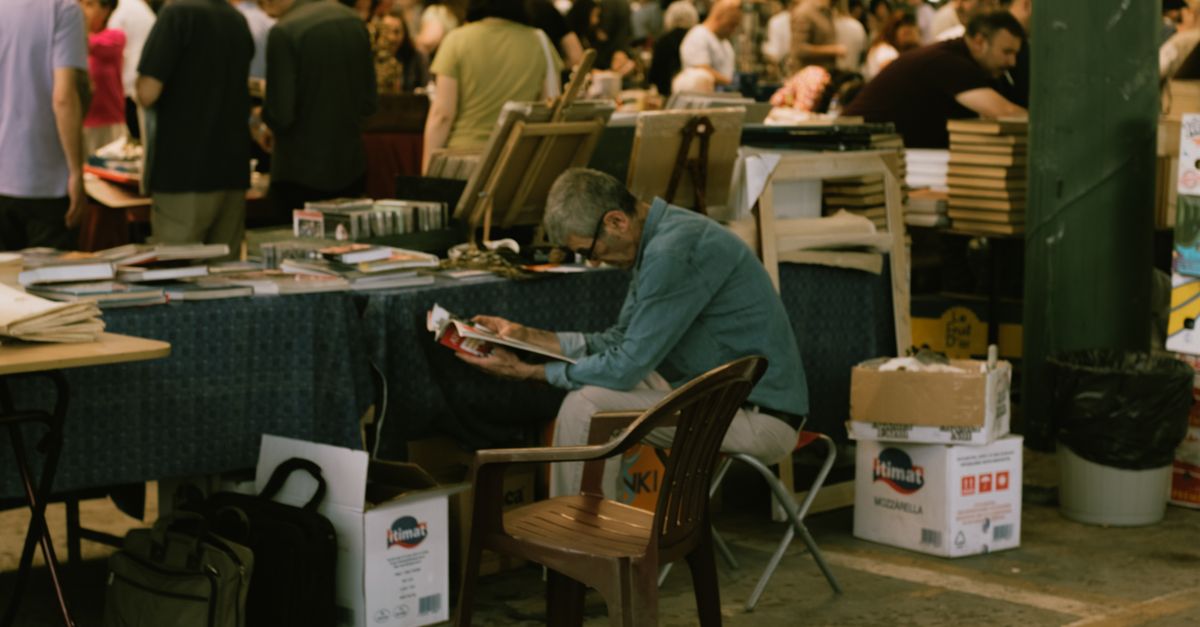
Translated and regional stories brought back into circulation, usually with a short note on where the piece first appeared and what changed in the English version.
Reader corrections and responses, edited by contributors rather than algorithms. Send a correction and it is read by a person; whether it runs depends on the argument, not on volume.
Zine fairs, print runs, and cover art. The practical side of small-press publishing, written for readers who want to know how a book actually reaches a table.
You can pitch a review or send corrections to the editor at support@alienaward.com. For how a piece moves from pitch to print, see our editorial process, or write to us through the contact page.